– A NECESSARY STEP TOWARD SUSTAINABLE ENERGY –
Time: 7m
Introduction
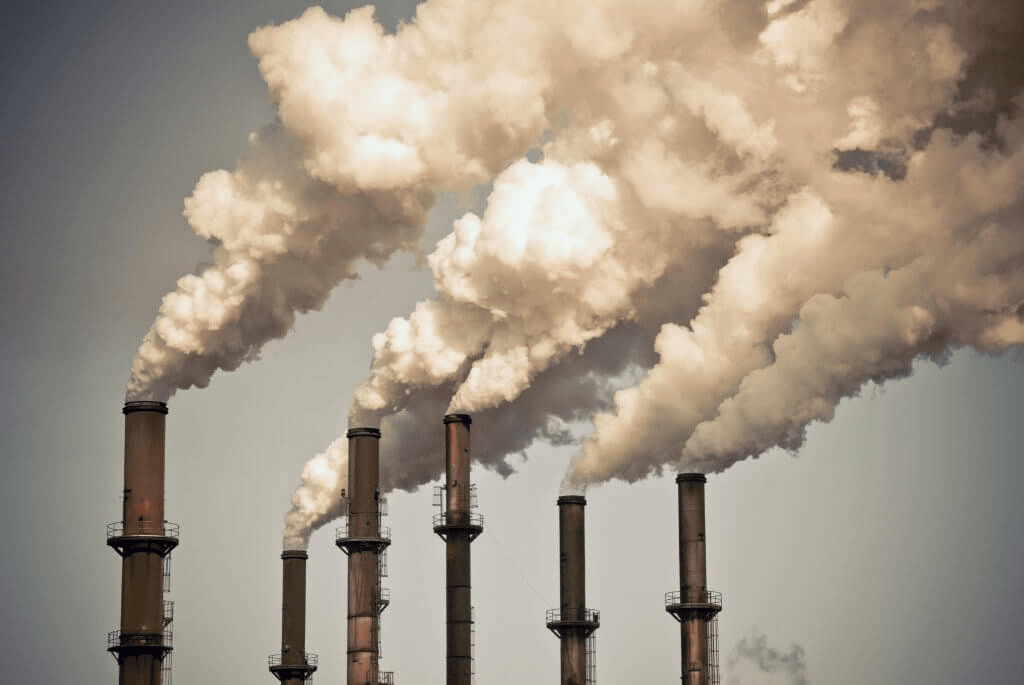
As global energy demands continue to rise, the transition from coal, a major polluter, to greener renewable energy sources has become imperative for combating climate change. However, the current limitations of renewable technologies necessitate an intermediate solution — nuclear power. In my paper, I argue that nuclear energy, despite its controversies and perceived risks, is a crucial stepping stone in this energy transition.
Why Nuclear?
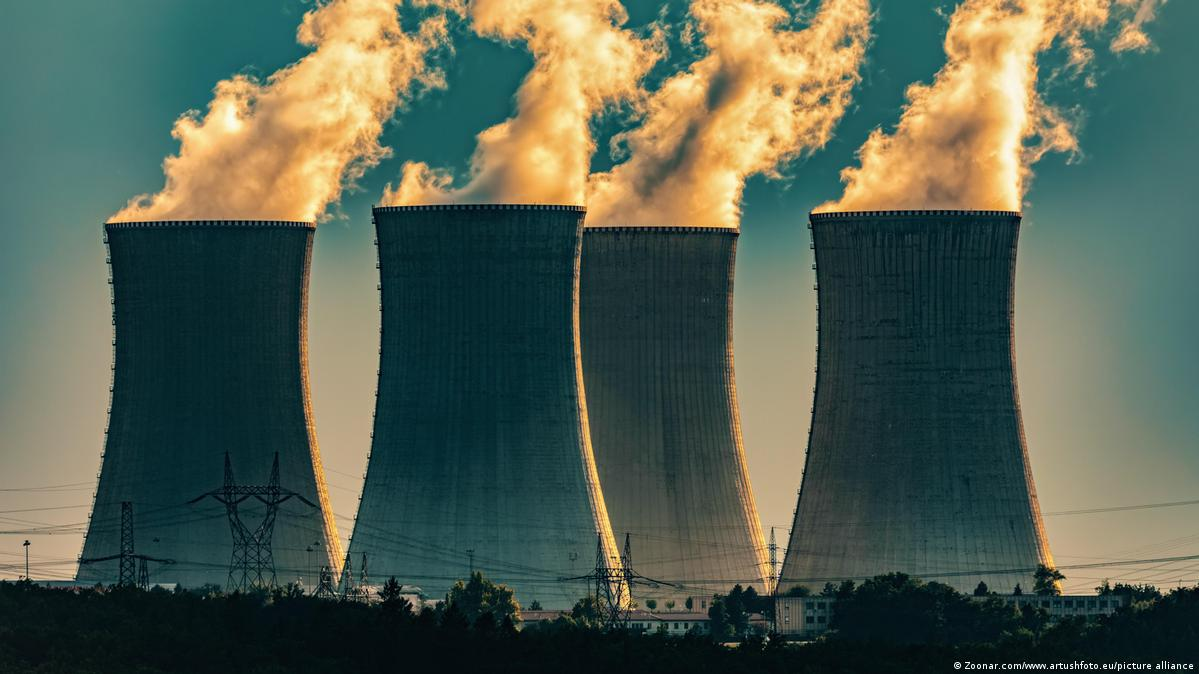
Nuclear power offers a more stable and reliable base power compared to coal, which is the largest producer of greenhouse gases. While renewables like solar and wind are promising, they currently lack the ability to consistently meet the global energy demands on their own. Nuclear energy can fill this gap effectively due to its high energy output and low environmental impact in terms of greenhouse gas emissions.

Addressing Safety Concerns
Safety concerns surrounding nuclear energy, heightened by incidents like Chernobyl and Fukushima, are significant. However, advancements in nuclear technology have substantially improved safety measures. New reactor designs and stricter regulatory frameworks have made modern nuclear power plants much safer and more efficient. Additionally, the management of nuclear waste has seen technological advancements that reduce environmental risks.
Economic and Social Considerations
Economically, nuclear power requires higher initial investment but offers long-term benefits in reducing carbon emissions and providing a reliable energy supply. Socially, especially in developing countries, the demand for cheap and accessible energy often leads to the continued use of coal. Nuclear energy, while initially more costly, could provide a more sustainable and economically viable energy source for these regions in the long run.

Conclusion
While nuclear power is not the ultimate solution and does not replace the need for renewable energy, it serves as an essential intermediary that can bridge the gap between current energy practices and a future powered by renewables. Immediate action and supportive energy policies are required to facilitate this transition, ensuring a balance between energy needs and environmental preservation.
Reference
Advanced Nuclear Power Reactors | Generation III+ Nuclear Reactors – World Nuclear Association. (n.d.). https://world-nuclear.org/information-library/nuclear-fuel-cycle/nuclear-power-reactors/advanced-nuclear-power-reactors.aspx
Alkon, M., He, X., Paris, A. R., Liao, W., Hodson, T., Wanders, N., & Wang, Y. (2019, September). Water security implications of coal-fired power plants financed through China’s Belt and Road Initiative. Energy Policy, 132, 1101–1109. https://doi.org/10.1016/j.enpol.2019.06.044
Carlton, J. S., Smart, R., & Jenkins, V. (2011). The nuclear propulsion of merchant ships: Aspects of engineering, science and technology. Journal of Marine Engineering &Amp; Technology, 10(2), 47–59. https://doi.org/10.1080/20464177.2011.11020247
Chen, J., Fei, Y., & Wan, Z. (2019). The relationship between the development of global maritime fleets and GHG emission from shipping. Journal of Environmental Management, 242, 31–39. https://doi.org/10.1016/j.jenvman.2019.03.136
Coal – Fuels & Technologies. (n.d.). IEA. https://www.iea.org/fuels-and-technologies/coal
Dedes, E., Turnock, S. R., Hudson, D. A., & Hirdaris, S. E. (2011, June). Possible power train concepts for nuclear-powered merchant ships. ResearchGate. https://www.researchgate.net/publication/277865742_Possible_power_train_concepts_for_nuclear_powered_merchant_ships
Generation System. (n.d.). BC Hydro. Retrieved November 12, 2022, from https://www.bchydro.com/energy-in-bc/operations/generation.html#:~:text=We%20generate%20over%2043%2C000%20gigawatt,Peace%20and%20Columbia%20river%20basins.
Handbook for Regulatory Inspectors of Nuclear Power Plants | IAEA. (n.d.). https://www.iaea.org/publications/13514/handbook-for-regulatory-inspectors-of-nuclear-power-plants
Heinberg, R., & Fridley, D. (2010). The end of cheap coal. Nature, 468(7322), 367–369. https://doi.org/10.1038/468367a
Herring, J. S. (2012). Uranium and Thorium Resources. Nuclear Energy, 463–490. https://doi.org/10.1007/978-1-4614-5716-9_18
Hine, D. W., Summers, C., Prystupa, M., & McKenzie-Richer, A. (1997). Public Opposition to a Proposed Nuclear Waste Repository in Canada: An Investigation of Cultural and Economic Effects. Risk Analysis, 17(3), 293–302. https://doi.org/10.1111/j.1539-6924.1997.tb00867.x
Ingersoll, D. (2009). Deliberately small reactors and the second nuclear era. Progress in
Nuclear Energy, 51(4–5), 589–603. https://doi.org/10.1016/j.pnucene.2009.01.003
Jinke, L., Hualing, S., & Dianming, G. (2008). Causality relationship between coal consumption and GDP: Difference of major OECD and non-OECD countries. Applied Energy, 85(6), 421–429. https://doi.org/10.1016/j.apenergy.2007.10.007
Kurniawan, T. A., Othman, M. H. D., Singh, D., Avtar, R., Hwang, G. H., Setiadi, T., & Lo, W. H. (2022). Technological solutions for long-term storage of partially used nuclear waste: A critical review. Annals of Nuclear Energy, 166, 108736. https://doi.org/10.1016/j.anucene.2021.108736
Maslow, A. H. (1958). A Dynamic Theory of Human Motivation. Understanding Human Motivation., 26–47. https://doi.org/10.1037/11305-004
Office of Nuclear Energy. (n.d.). Nuclear Power is the Most Reliable Energy Source and It’s Not Even Close. Energy.gov. https://www.energy.gov/ne/articles/nuclear-power-most-reliable-energy-source-and-its-not-even-close
Wang, M., Dewil, R., Maniatis, K., Wheeldon, J., Tan, T., Baeyens, J., & Fang, Y. (2019). Biomass-derived aviation fuels: Challenges and perspective. Progress in Energy and Combustion Science, 74, 31–49. https://doi.org/10.1016/j.pecs.2019.04.004
 ICEBERG